
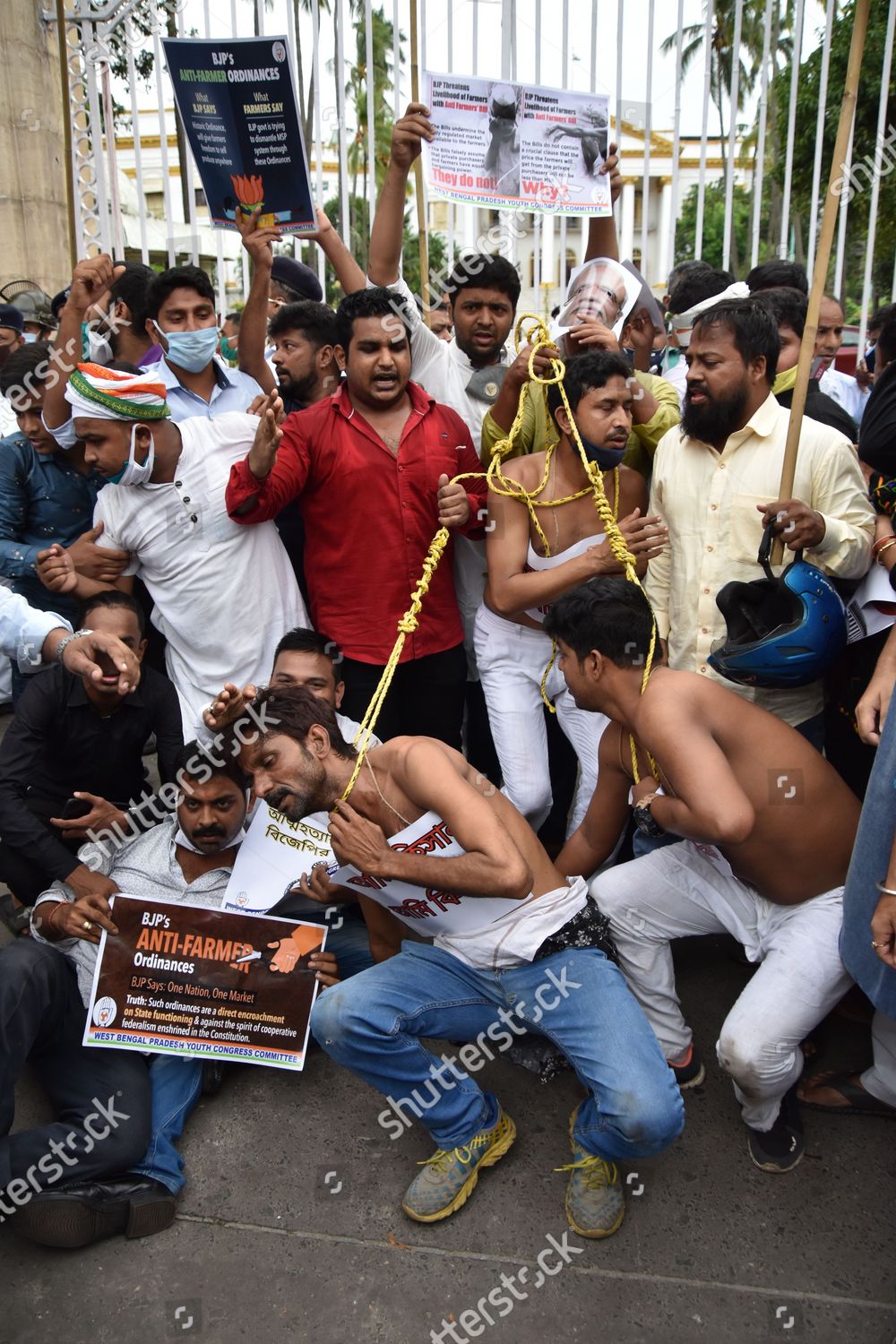

In every generation, young people face a choice about whether to stay on the sidelines or step in when their country needs direction. Right now that choice is sitting right in front of Indian youth, and many are already feeling the weight of it. Frustration keeps building on campuses and online because jobs are genuinely hard to find and promises from leaders keep falling “short”. (Ache din aate hi reh gaye). The good days are always just around the corner, like a bus that has been five minutes away for the past decade. Corruption and the constant communal theatre in politics drain whatever optimism is left. Yet whenever young people have woken up with real purpose in the past, governments have been forced to pay attention and change has slowly, reluctantly, begun.
The politician smiled and said, "Trust the process."
The graduate smiled back, wondering which process, The one that hired him, or the one that lost his mark sheet.
The numbers are not subtle. The proportion of unemployed youth with secondary or higher education nearly doubled, from 35.2% in 2000 to 65.7% in 2022. Graduate unemployment sits at 13%, while those with no formal education at all face a rate close to zero. Let that sink in. The more you study in India, statistically speaking, the worse your employment odds get. Meanwhile, India ranked 96th out of 180 countries on the 2024 Corruption Perceptions Index, a score that has barely shifted since 2012. An increasingly educated population meeting an increasingly indifferent system is not a policy failure. At this point, it starts looking like a design choice.
They said: "Youth is the future of India."
The youth said: "We would settle for being the present."
The strength of youth has never been just about numbers. It comes from the willingness to ask hard questions and keep pushing for answers without backing down. Some people still mistake that quality for troublemaking, as if pointing at a crack in the ceiling is the same as causing the leak. In a real democracy, disagreement is not betrayal. Staying silent when things are visibly wrong is far more dangerous than speaking out. Neighboring Bangladesh learned that in 2024, when protests over a government job quota system began with one grievance and ended with a Prime Minister fleeing the country. Closer to home, Nepal in 2025 saw Gen Z-led anti-corruption demonstrations force a sitting Prime Minister to resign.
Social media has given Indian youth a reach that older generations simply never had. A single well-argued post can shift how an entire country talks about an issue in ways that would have needed a printing press and a street march fifty years ago. That genuinely matters. But power like that gets messy fast if it stays only angry. Trending for twenty-four hours and fading into the next outrage cycle is not activism.
He posted at midnight. By morning, he had ten thousand retweets.
By evening, he had forgotten what he was angry about.
The minister had not.
Informed, sustained pushback works far better than noise. Young people need to understand the actual rules and rights available to them, not repeat slogans but read laws, check facts, and build arguments that are genuinely difficult to dismiss. And critically, they need to resist being pulled into the endless theatre of communal violence and identity conflict, fights that are often deliberately stoked to keep people divided and exhausted and away from the real scoreboard. Corruption weakens elections, parliaments, and oversight institutions. It quietly enables authoritarian tendencies and makes democratic reversal harder with every passing year. That is the actual emergency. Not the one manufactured before every election season.
"Are you Hindu or Muslim?" asked the politician.
"I am unemployed," said the graduate.
"Ah," said the politician, "but which kind?"
The real problems, the ones that shape actual lives, are the quality of schools, access to fair employment, and whether the rule of law means anything in practice beyond a phrase on a government pamphlet. An entire generation of India's political leaders, figures like Lalu Prasad Yadav, Nitish Kumar, and Ram Vilas Paswan, emerged directly from the JP Movement against the Emergency. That movement did not trend for a day. It sustained itself through conviction and organisation until the system had no choice but to respond. India will not fix itself through leaders alone. It never has. When youth begins to see governance as something they actively share in rather than something that simply happens to them from a distance, change becomes not just possible but inevitable.
The country becomes stronger when those voices stay active and united instead of slowly drifting back into silence one by one.The silence was never neutral. It was always a choice, and someone else was always making decisions inside it.
"If you do not interfere in politics, politics will eventually interfere in your life."
— V.I. Lenin
(0) Responses
Share your thoughts on this post.
No comments yet.