

As citizens, we have endless complaints about the government, the system, leaders, police, bureaucracy, and people in power. And many of those complaints are valid. But there’s a question we rarely pause to ask ourselves: as citizens, what are we doing?
India’s civic sense has long been a topic of concern, not because of one isolated incident, but because of how consistently poor our public behaviour has become.
Last week at the Delhi World Book Fair, a space meant to celebrate knowledge, culture and learning, became a viral spectacle for all the wrong reasons. Visitors were seen pushing, scrambling, grabbing books and creating chaos as if civility had no place there. Many reacted with disbelief, questioning how “so-called educated people” could behave so undisciplined at a literary event, an incident that sparked widespread criticism online for the apparent lack of civic sense.
In December 2025, global football icon Lionel Messi visited Kolkata as part of a major event, but the excitement spiralled into chaos. Fans who paid for tickets and waited hours became frustrated by poor crowd management and a shortened appearance, after which some ripped out seats, threw objects, and vandalised parts of the Salt Lake Stadium, leading to multiple arrests under charges related to damage of public property.
This wasn’t just hooliganism; it was a statement on public behaviour when expectations meet frustration. We damage what we don’t respect, even if it’s paid for with our own hard-earned money.
What’s even more tragic is that this lack of civic discipline has deadly consequences. Last year alone, massive crowds repeatedly overwhelmed safety systems, from crowd crushes at the Maha Kumbh Mela in Prayagraj, to a deadly stampede at New Delhi railway station that killed at least 18 people, and the tragic overcrowding during RCB’s victory parade outside Bengaluru’s Chinnaswamy Stadium, which turned celebration into chaos, leaving 11 dead and 33 injured. These were not mere accidents; they were preventable failures of civic sense, costing lives due to poor planning and uncontrolled mass behaviour.
But the real problem is that these incidents are not exceptions, they are a mirror reflecting a pattern of our everyday conduct, where even events meant to inspire respect, order and cultural values instead showcase our lack of discipline.
Burning firecrackers late at night, blasting loud instruments during weddings at odd hours, blocking roads because “it’s a celebration,” all of this shows how casually we disregard others’ right to peace. Noise complaints and public disturbance issues spike across cities every festive season, yet enforcement and self-restraint lag behind.
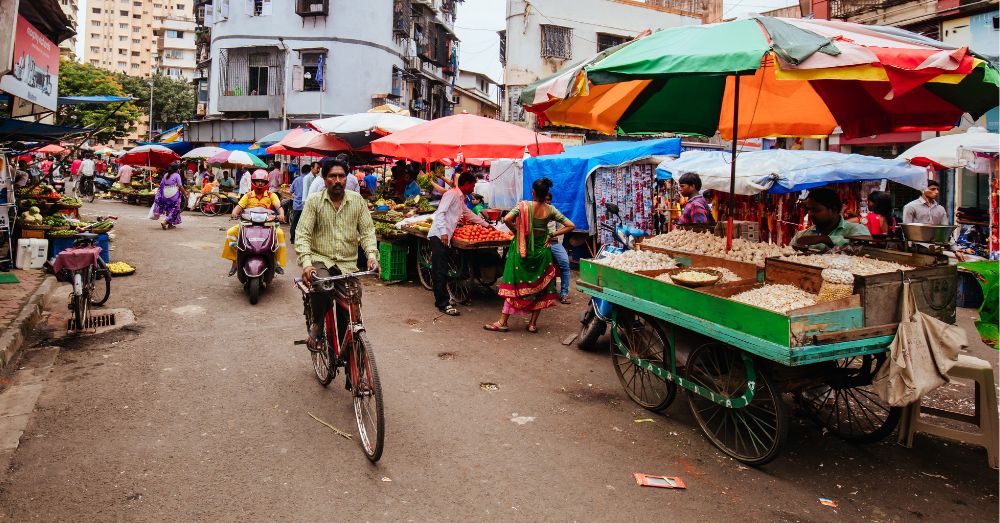
Garbage on roads has become so normal that we barely notice it anymore. Street corners, markets, and sidewalks are littered with plastic, wrappers, and waste, and this cannot be blamed only on poverty. It is often the educated, salaried, urban population that litters streets, spits in public places, and assumes someone else will clean it up. Recent reporting highlights how “clean homes, dirty streets” have become a stereotype of urban India’s public behaviour.
Sanitation tells a similar story. While government programmes like the Swachh Bharat Mission have increased the availability of toilets in public places, with nearly 74,6% of surveyed public areas reporting toilet access, many Indians still avoid using them, and street and roadside cleanliness remains problematic.
We proudly talk about world-class infrastructure, yet fail to use it responsibly. The Delhi Metro offers remarkable facilities, but step inside during rush hours and you’ll see people breaking queues, pushing aggressively, ignoring basic safety norms, leaving others to “pray for survival.”
Traffic rules are treated as suggestions rather than laws, resulting in thousands of accidents every year. India recorded around 1.77 lakh (1,77,000) road fatalities in 2024, with behaviours like speeding, not wearing helmets or seatbelts contributing heavily to the toll, underscoring how human behaviour remains a major challenge to road safety. Railway platforms turn into resting zones and people often occupy seats meant for others or sleep on floors during travel, disregarding basic order and comfort.
Public property seems to carry no emotional value for us. During protests or moments of conflict, vandalism becomes the first response. Monuments meant to preserve history are disfigured with names, love letters, and careless carvings, symbols of how little respect we hold for shared heritage. Even helping others has become risky; people have been beaten for speaking the “wrong” language or simply trying to intervene.
(0) Responses
Share your thoughts on this post.
No comments yet.